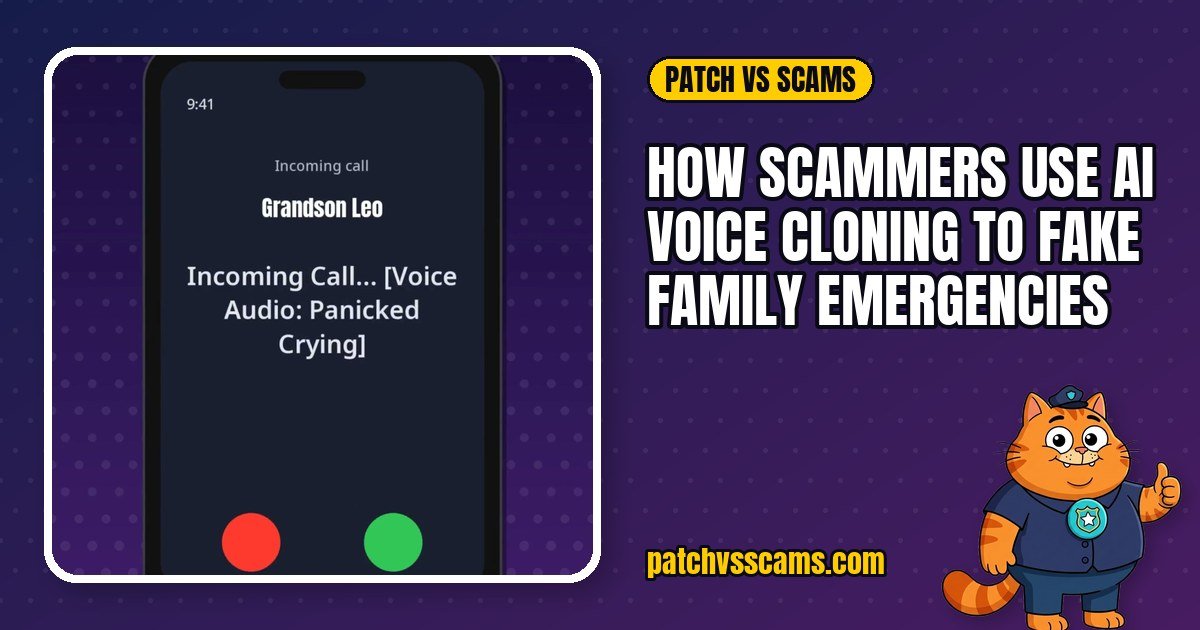
Hearing a loved one in distress is one of the most frightening experiences imaginable. Fraudsters are now pairing that emotional shock with artificial intelligence, using voice-cloning software to simulate kidnapping, car crashes, or sudden arrests. Knowing how these schemes operate can keep your family safe and your finances secure.
How the scam works
Modern voice-cloning tools can work from just a few seconds of clear speech to replicate an individual’s vocal tone, pitch, and cadence. Scammers extract these voice samples from public videos uploaded to social media platforms.
Once the clone is generated, the scammer calls a relative—often a parent or grandparent—posing as the loved one or an authority figure like an attorney or police officer. The caller claims an immediate crisis has occurred, such as a severe car accident or detention in jail. They demand an instant transfer of funds to resolve the emergency, relying on shock and urgency to prevent the victim from thinking clearly.
Red flags
Be on alert if an incoming emergency call exhibits any of the following signs:
- Extreme emotional pressure: The caller insists money must be sent immediately and begs you not to tell other relatives.
- Unusual payment methods: Demands to pay via wire transfer, cryptocurrency, peer-to-peer payment apps, or retail gift cards.
- The voice sounds exactly right: That proves nothing. Good clones can be very convincing, so never rely on how the voice sounds.
- Refusal to verify identity: The caller resists answering specific personal questions that only the real family member would know.
- Unfamiliar incoming numbers: The call comes from an unknown number or spoofed caller ID, with the caller claiming their real phone was broken, lost, or confiscated.
How to stay safe
Take deliberate, proactive steps to protect your household from voice impersonation:
- Establish a family safe-word: Agree on a private code word or phrase known only to immediate family. If someone calls claiming an emergency, ask for the safe-word before taking any action.
- Pause and verify: Resist the urge to act instantly. Hang up and contact the family member directly on their established, trusted phone number.
- Reach out to mutual contacts: If the relative does not pick up, contact their spouse, roommate, coworker, or school to confirm their whereabouts.
- Tighten social privacy: Review social media privacy settings and consider limiting public access to videos containing clear audio of your voice.
If it already happened to you
If you sent money to an impostor, take these steps right away:
- Contact the financial institution, wire service, or payment platform immediately to request a transaction recall or freeze.
- Document all records, including call logs, phone numbers, transaction IDs, and payment receipts.
- Report the incident to your local police department and obtain a copy of the police report.
- Report it: in the US at ReportFraud.ftc.gov; in India at cybercrime.gov.in or helpline 1930; elsewhere, to your national fraud reporting service.
Frequently asked questions
Can scammers clone a voice from a quick phone greeting?
It’s possible, and you can’t control every recording of your voice. That’s why the reliable defence is verification, not secrecy: a family safe-word and calling back on a number you already know.
What if the caller claims my relative cannot speak because of an injury?
This is a standard tactic designed to explain away voice discrepancies or avoid conversation entirely. Never send funds based solely on an unknown third party’s claims; always verify independently through trusted contacts.
Watch Patch explain it
New cartoon scam alerts every week on YouTube: youtube.com/@PatchVsScams
This article is general safety information, not legal or financial advice. See our Disclaimer for where to report scams.