If your phone buzzes with an urgent text message stating that you owe a small fee for an unpaid toll, you are not alone. Road toll smishing—phishing delivered via text messages—has become one of the most common text scams. Scammers rely on low dollar amounts and urgent language to trick busy drivers into handing over credit card numbers.
How the scam works
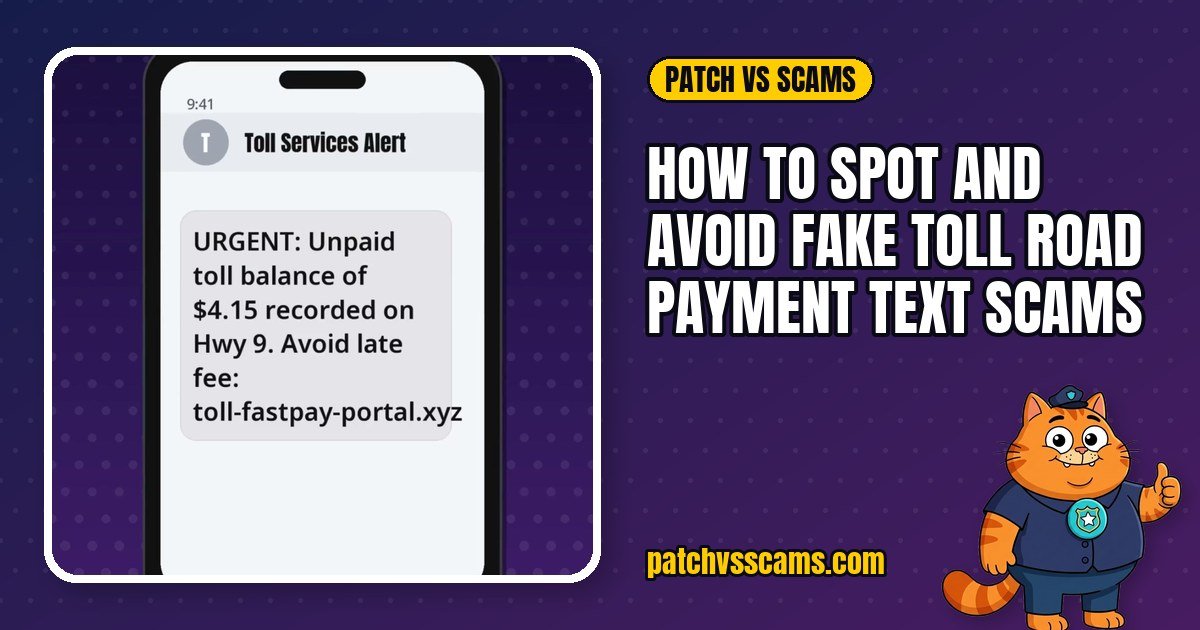
Scammers use automated software to mass-text thousands of phone numbers across an area code. The message impersonates a regional or statewide toll authority, claiming that your vehicle incurred an unpaid toll charge—often between three and ten dollars.
To manufacture panic, the text claims that immediate action is required to avoid steep late fees or vehicle registration suspensions. A short link directs you to an imitation payment site that mimics the official agency’s logo and branding. Once you enter your personal information and credit card details to pay the tiny fee, the criminals harvest your card data and attempt unauthorized, high-dollar charges.
Red flags
- Urgent fee threats: Scammers use threatening language, claiming fines will jump drastically within 24 to 48 hours.
- Suspicious web addresses: Look closely at the domain name. Fraudulent links often contain unusual domains, hyphenated words, or random numbers instead of official government or toll provider domains.
- You did not drive on the toll road: Receiving a notice for a road you never used, or in a state you have not visited, is an immediate warning sign.
- Unsolicited payment requests: Genuine road agencies typically invoice by mail linked to your registered license plate, rather than sending random, generic text alerts.
How to stay safe
- Do not click links: Never tap links inside unexpected text messages regarding traffic fees or highway penalties.
- Verify independently: If you think you might genuinely owe a toll, look up the official agency website manually in your web browser and log in directly to check your account.
- Block and delete: Mark the sender as junk in your phone’s messaging settings and delete the thread.
If it already happened to you
- Freeze your payment card: Contact your bank or card issuer immediately to report unauthorized charges and request a replacement card.
- Change compromised passwords: If you created an account or reused credentials on the fraudulent page, update your passwords immediately using a password manager.
- Monitor your credit: Regularly check your bank and credit statements for unusual transactions or signs of identity theft.
- Report the message: Report it: in the US at ReportFraud.ftc.gov; in India at cybercrime.gov.in or helpline 1930; elsewhere, to your national fraud reporting service.
Frequently asked questions
Can toll authorities send legitimate text reminders?
Some electronic toll providers do send balance updates if you opted in during account creation. However, legitimate notices will address you by your account name or vehicle plate rather than sending anonymous broadcast alerts.
What happens if I clicked the link but did not enter card info?
If you only opened the page, close your browser tab immediately and clear your mobile browser cache. As long as you did not submit personal data or download files, the risk of financial theft remains minimal.
Watch Patch explain it
New cartoon scam alerts every week on YouTube: youtube.com/@PatchVsScams
This article is general safety information, not legal or financial advice. See our Disclaimer for where to report scams.